
お役立ちコラム
人手不足解消の鍵!業務用清掃ロボットでコスト削減・業務効率化
少子高齢化による深刻な人手不足は、今や日本社会全体が直面する喫緊の課題です。
特に清掃業界では、人材確保の困難さに加え、それに伴う人件費の高騰が経営を圧迫しています。
このままでは、サービスの品質維持どころか事業継続すら危ぶまれかねません。
本記事では、
こうした状況を打破する一手として注目される「業務用清掃ロボット」に焦点を当てました。
コスト削減や業務効率化といった直接的なメリットから、スタッフの働き方改革、品質向上、さらには未来のスマートビルでの活用までを解説します。
人手不足時代を乗り越え、持続可能な事業運営を目指す全ての企業様にとって必見の内容です。
人手不足が深刻化する日本社会の課題と清掃現場の現状
まず、清掃業界がなぜこれほど厳しい状況に置かれているのか、その背景にある社会構造の変化と現場の具体的な課題から見ていきましょう。
生産年齢人口減少が引き起こす人手不足の危機
日本の労働力の中核をなす生産年齢人口(15歳〜64歳)は1995年をピークに減少を続けています。
今後、団塊世代の退職も相まって、
あらゆる産業で人手不足がさらに加速することは確実です。
これは一過性の問題ではなく、長期的に向き合わなければならない社会構造に根差した危機と言えます。
清掃現場を悩ませる人手不足と人件費高騰の現実
労働市場全体のパイが縮小する中、企業間の人材獲得競争は激化し、人件費の高騰を招いています。
とりわけ清掃業界では、業務の特性上もともと人材確保が難しいことに加え、求人への応募不足や既存スタッフの高齢化といった構造的な問題が深刻です。
こうした状況は、現場の負担増や労働災害のリスクを高める要因となります。
それに加え、毎年改定される最低賃金の上昇が、経営を直接圧迫しているのです。
コスト増をサービス価格へ容易に転嫁することもできず、多くの企業が利益の確保に苦慮しているのが実情です。
事業継続の鍵は、清掃ロボットによる省人化
人手不足、高齢化、人件費高騰という三重苦は、従来のやり方の延長線上では解決できません。
事業を継続するためには、テクノロジーを活用した省人化と抜本的な業務効率化が不可欠です。
その具体的な打ち手こそが「業務用清掃ロボット」の導入であり、未来の労働力不足を見据えた戦略的な投資として、今まさにその重要性が高まっています。
人手不足解消の切り札となる業務用清掃ロボットのメリット
では、業務用清掃ロボットは具体的にどのようなメリットをもたらすのでしょうか。
「コスト」「働き方」「品質」という3つの観点から、その絶大な効果を紐解いていきます。
ロボットによる人件費削減と安定稼働の実現
ロボット導入がもたらす最も直接的なメリットは、人件費の削減です。
広範囲の床清掃などをロボットに一任することで、より少ない人員で現場を運営できます。
当社の試算では、ロボット活用により
人件費を平均で25%以上削減
した実績もあり、これは経営体質の強化に大きく貢献します。
また、ロボットは離職の心配がなく、24時間365日、プログラム通りに安定したパフォーマンスを発揮する理想的な労働力です。
清掃ロボットが実現するスタッフ負担軽減と安全な職場環境
ロボットが体力を要する床清掃を担うことで、清掃スタッフはつらい単純作業から解放されます。
そして、ロボットでは対応が難しい細部の清掃や、ホスピタリティが求められる業務といった、より付加価値の高い「人にしかできない業務」に集中できます。
これは「人とロボットの協働」という新しい働き方であり、スタッフの満足度向上にも繋がります。
また、近年のロボットは高精度センサーで歩行者や障害物を正確に検知・回避するため、利用者がいる施設でも安全に運用可能です。
洗浄後の床がすぐに乾くモデルであれば、利用者の転倒事故を予防し、より安全な環境を構築できます。
ロボットが叶える清掃品質向上と管理業務の効率化
人の手による清掃は、作業者のスキルや体調によって品質にばらつきが生じる可能性があります。
一方、ロボットはプログラムされたルートを寸分違わず実行するため、常に均一で質の高い清掃が可能です。
加えて、アイウイズロボティクスが提供する「IWITH-BMS管理システム」のような遠隔管理ツールは、管理業務に革命をもたらします。
遠隔で全ロボットの稼働状況をリアルタイムで管理し、清掃エリアを「見える化」できます。
これにより、作業報告書の作成が自動化され、管理者が現場を巡回する手間とコストが大幅に削減されるなど、データに基づいた効率的な作業管理が実現します。
人手不足対策に|アイウイズロボティクスの清掃ロボットソリューション
ここでは具体的な解決策として、国内生産による品質と手厚いサポート体制を両立するアイウイズロボティクスのソリューションを、「製品」「事例」「サポート」の3点から紹介します。
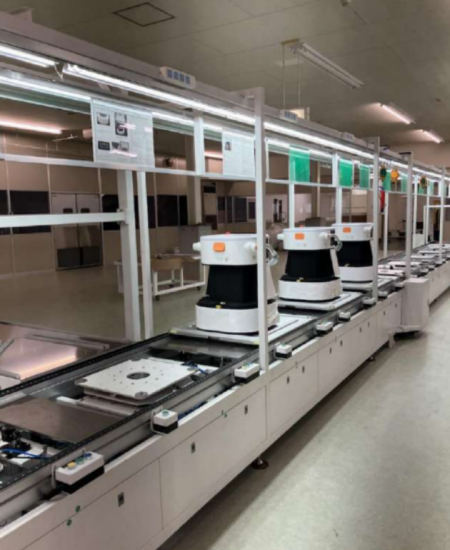
「Made in Japan」品質!高性能清掃ロボットラインナップ
アイウイズロボティクスが提供するのは、国内工場で製造される「日本製(Made in Japan)」の清掃ロボットであり、その品質と信頼性は大きな強みです。
• J35S:
2万㎡以下の大規模施設に対応する中型モデル。強力な吸引力と、洗浄後の水残りをほとんどなくす設計が特長です。
• J35PRO:
5万㎡以上の巨大施設を見据えた大型モデル。床磨きと吸塵を同時に行い、人手による給排水が不要な「完全自動給排水機能」を搭載しています。
これらのロボットが持つ先進機能の中でも特に注目すべきが、
エレベーター連携機能です。
これは、
スマートオフィスやスマートビル
においてロボットの活用範囲を飛躍的に広げる鍵となる技術です。
ロボットが自律的にエレベーターを操作し、人の手を借りずに複数フロアを移動・清掃することで、夜間の完全無人清掃が可能となり、省人化を大きく前進させます。
【導入事例】清掃ロボットが示す多機能性
アイウイズロボティクスのロボットは、すでに様々な現場で価値を証明しています。
• コンビニエンスストア:
J30Sを導入し、床掃除を自動化。創出された時間を接客や売場づくりといったコア業務に振り向けています。
• 老人ホーム:
J35を共用部に導入。高い清掃品質に加え、入居者を検知して安全に回避する性能が高く評価されています。
• 総合ビルメンテナンス:
J35を導入し、人手不足や最低賃金上昇への対策を実現。遠隔管理による作業の「見える化」は、顧客への報告品質を高め、信頼関係の強化にも繋がっています。
ロボット導入後も安心!充実の保守と遠隔管理システム
ロボットを安定して活用するには、信頼できるサポート体制が不可欠です。
アイウイズロボティクスは、365日対応のコールセンターと全国をカバーするオンサイト保守体制を構築。
万一のトラブルにも迅速に対応します。
また、導入時も専門スタッフがヒアリングから操作研修までワンストップでサポートするため、初めてでも安心です。
まとめ|人手不足時代を乗り越えるロボット導入の重要性
業務用清掃ロボットの導入は、もはや単なるコスト削減策ではありません。
それは、
深刻化する人手不足と人件費高騰という、社会構造の変化に対応し、事業を未来へ繋ぐための戦略的投資です。
清掃品質の安定化、従業員の負担軽減、管理業務の革新を通じて、施設全体の資産価値を高めることに直結します。
今後、スマートオフィスやスマートビルの建設が加速するにつれて、エレベーター連携や自動ドア連携といった、ロボットを支援する(ロボットフレンドリーな)インフラの整備が飛躍的に拡大していくでしょう。
そうなれば、ロボットが人の手を介さずにビル全体を自律的に清掃し、給排水まで全自動で行う、真の省人化・無人化が現実のものとなります。
このような未来を見据えれば、清掃業界におけるロボット導入は時代の必然です。
将来のリスクをヘッジするためにも、経営に体力があるうちに導入し、運用ノウハウを蓄積しておくことが今、強く求められています。
人手不足という大きなうねりの中で、業務用清掃ロボットは、企業の持続的な成長を支える、最も信頼できる「新戦力」となるはずです。
清掃ロボットのエレベーター連携|仕組みと導入のポイント
詳しくはこちらから >清掃ロボットでビルメンテナンスを効率化|失敗しない選び方と運用術
詳しくはこちらから >業務用ロボット掃除機とは?法人導入のメリットと活用法
詳しくはこちらから >