
お役立ちコラム
業務用ロボット掃除機とは?法人導入のメリットと活用法
人手不足や人件費の高騰が深刻化するなか、オフィスの清掃業務の効率化は多くの企業にとって喫緊の課題です。
その解決策として今、注目を集めているのが「業務用ロボット掃除機」の導入です。
本記事では、業務用ロボット掃除機がもたらすメリットから、失敗しない選び方のポイント、そして具体的な製品の活用事例までを、専門メーカーの視点から詳しく解説します。
清掃業務のDX(デジタルトランスフォーメーション)を推進し、新たな企業価値を創造するための第一歩を踏み出しましょう。
業務用ロボット掃除機を導入する3つのメリット
なぜ今、多くの企業が業務用ロボット掃除機の導入を進めているのでしょうか。
その背景には、単なる「自動化」にとどまらない、3つの大きなメリットがあります。
<業務用ロボット掃除機を導入する3つのメリット>
① 人手不足の解消
② 清掃品質の安定化
③ コスト最適化
① 人手不足の解消
総務省統計局の国勢調査
によれば、日本の生産年齢人口(15〜64歳)は1995年をピークに減少を続けており、多くの業界で人手不足が常態化しています。
清掃業界も例外ではなく、労働力の確保は年々難しくなり、人件費は高騰する一方です。
業務用ロボット掃除機を導入すれば、これまで人が行っていた清掃業務の大部分を自動化できます。
これにより、スタッフはより付加価値の高い業務に集中できるようになり、人手不足の解消に直結します。
当社の試算では、
ロボットの活用により、人件費を1/4以上削減できる可能性も示されています。
これは、労働力不足という大きな社会課題に対する、現実的かつ効果的なソリューションと言えるでしょう。
② 清掃品質の安定化
人の手による清掃は、作業者のスキルやその日のコンディションによって品質にばらつきが出やすいという課題がありました。
業務用ロボット掃除機は、高精度のナビゲーション技術と多様なセンサーを駆使し、設定されたルートを正確に清掃します。
ゴミの吸い残しや拭きムラがなく、常に安定した高い品質の清掃が可能です。
さらに、機種によっては床磨き、ゴミの吸引、水拭きといった複数の作業を1台でこなす「マルチ掃除モード」を搭載しており、常に計画通りにムラなく清掃を完了させます。
これにより、施設全体の衛生環境が向上し、従業員や来訪者の満足度向上にも繋がります。
③ コスト最適化
「ロボット導入はコストがかかる」というイメージがあるかもしれません
しかし、長期的な視点で見れば、人件費の削減効果は導入・運用コストを上回るケースがほとんどです
さらに、清掃業務の自動化によって創出された時間を、スタッフは接客や品出し、施設のメンテナンスといったコア業務に充てることができます。
例えば、
コンビニエンスストアでの実証実験
では、
販促用の陳列棚やタブレットを搭載したロボット掃除機「ポム」を導入した店舗の売上が、非導入店舗に比べて約1.5倍にアップしたという結果も出ています。
これは、清掃の自動化が単なるコスト削減にとどまらず、企業の生産性向上や売上アップにも貢献する「新たな戦力」となり得ることを示しています。
業務用ロボット掃除機の選び方|失敗しないための3つの視点
導入メリットの大きい業務用ロボット掃除機ですが、自社の環境に適した機種を選ばなければ、その効果を最大限に引き出すことはできません。
ここでは、選定時に必ず確認すべき3つのポイントを解説します。
<選定時に確認すべき3つのポイント>
① 清掃対象・環境に適した機種選定
② 操作性・サポート・運用体制の確認
③ 導入コスト・助成金制度の比較検討
① 清掃対象・環境に適した機種選定
まずは、「どこで」「何を」清掃したいのか
<確認すべき項目>
• 施設の種類と面積
小売店、オフィス、病院、工場など、施設の用途や広さに適したモデルを選びましょう。
製品ごとに推奨される稼働面積が設定されています(例:J30Sは1,000㎡以下、J35は20,000㎡以下)。
• 床の材質
タイル、カーペット、フローリングなど、清掃対象の床材に対応しているかを確認しましょう。多くの機種は様々な床材に対応可能です。
• 通路の幅
ロボットがスムーズに走行できる通路幅が確保されているかを確認しましょう。機種によって最小通過幅が異なります。
• 主な汚れの種類
ホコリや髪の毛が中心か、液体の汚れが多いかなど、汚れの種類によって「吸塵」「水拭き」といった必要な機能が変わります。
これらの条件を整理し、各製品の仕様と照らし合わせることが、最適な一台を見つけるための第一歩です。
② 操作性・サポート・運用体制の確認
高性能なロボットも、使いこなせなければ意味がありません。
特に初めて導入する場合は、操作のしやすさとサポート体制の充実度が重要になります。
導入で失敗しないために、ぜひ以下のポイントを確認してください。
【操作性】
専用アプリやタブレットから、清掃スケジュールや立入禁止エリアを直感的に設定できるかを確認しましょう。遠隔での管理や操作が可能だと、運用の柔軟性が格段に向上します。
【サポート体制】
「導入したものの、トラブル発生時に対応してもらえない」といった事態を避けるため、メーカーのサポート体制は必ず確認しましょう。
アイウイズロボティクスでは、365日対応のコールセンターを設置し、全国のサービス拠点からオンサイトでの保守・修理に対応できる体制を整えています。
【メンテナンス】
ダスト容器の清掃やモップの交換など、日常的なメンテナンスのしやすさも重要なポイントです。部品の交換頻度や手順も事前に確認しておくと安心です。
③ 導入コスト・助成金制度の比較検討
業務用ロボット掃除機の価格は、数十万円から数百万円と幅広く、機能や性能によって異なります。
購入だけでなく、リース契約が可能な場合もあり、初期費用を抑えたい企業にとっては有力な選択肢となります。
また、国や地方自治体が実施している助成金・補助金制度を活用できる場合もあります。
アイウイズロボティクスでは現在
「中小企業省力化投資補助金」
のカタログ登録を申請しており、今後はお客様にも同補助金をご活用いただける見通しです。
はじめての導入におすすめの製品と活用事例
ここでは、豊富なラインナップの中から、特に初めての導入におすすめの多機能モデル「IWITH J35」を中心に、その驚きの機能と活用事例をご紹介します。
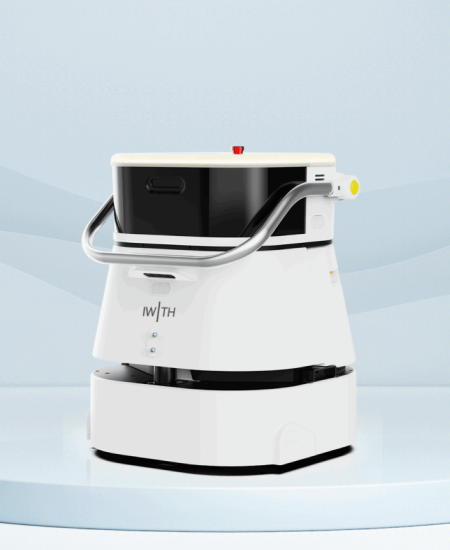
① 複数フロアをシームレスに自動清掃:J35のエレベーター連携機能
大規模なオフィスビルや商業施設、病院などで課題となるのが、フロア間の移動です。
清掃のたびに人がロボットを運んでいては、自動化のメリットが半減してしまいます
「IWITH J35」および上位モデルの「J35PRO」は、エレベーター連携機能を搭載しています。
専用ユニットを介してエレベーターの制御システムと連携し、ロボット自身がエレベーターを呼び出し、目的のフロアへ移動して清掃を再開することが可能です。
これにより、複数フロアにわたる清掃業務を完全に自動化し、管理者の手を一切煩わせません。
② 広範囲を効率化:J35が実現する多機能清掃
J35は、最大20,000㎡という広大な面積に対応可能なパワフルな清掃能力を誇ります。
<J35の機能>
• パワフルな吸引力と水残りのない洗浄
最大20kPaの強力な吸引力と、洗浄後の汚水をしっかり回収する独自設計により、床に水を残さず衛生的に仕上げます。
• セルフクリーニング機能
清掃タスク完了後、ローラーブラシを自動で洗浄するため、常に清潔な状態で次の清掃に備えることができます。
これらの機能により、これまで複数のスタッフと機材で行っていた広範囲の清掃を、J35一台に集約することが可能です。
実際に、老人ホームや葬儀会館、パチンコホールなど、多様な施設でその実力を発揮しています。
③ 清掃業務をスマート管理:J35とBMSによる遠隔一元管理とデータ活用
アイウイズロボティクスが提供する「IWITH-BMS管理システム」を使えば、PCやタブレットから全てのロボットの稼働状況をリアルタイムで一元管理できます。
<BMS管理システムでできること>
• 遠隔管理
各ロボットの現在位置、バッテリー残量、作業進捗などを遠隔で確認・操作できます。
• タスク管理とレポート
清掃スケジュールをカレンダー形式で簡単に設定できるほか、清掃が完了したエリアや時間などを記録した日報を自動で作成し、ダウンロードすることも可能です。
• データ活用
蓄積された清掃データを分析することで、より効率的な清掃ルートの策定や、清掃頻度の最適化に繋げることができます。
BMSは、清掃業務を「見える化」し、データに基づいた戦略的な運用を可能にする、まさに清掃DXの中核を担うシステムです。
まとめ|
法人向けロボット掃除機は“業務効率+価値づくり”の新戦力に
業務用ロボット掃除機の導入は、人手不足の解消やコスト削減といった守りの経営課題を解決するだけでなく、清掃品質の向上による顧客満足度の向上や、販促機能の追加による売上アップといった、攻めの価値創造にも貢献するポテンシャルを秘めています。
清掃業務の自動化は、もはや一部の先進的な企業だけのものではありません。
多様な製品ラインナップと手厚いサポート体制、そして各種補助金制度を活用することで、あらゆる業種・規模の企業がその恩恵を受けることが可能です。
自社の課題解決と新たな価値創造のパートナーとして、業務用ロボット掃除機の導入を検討してみてはいかがでしょうか。
【業務用清掃ロボット】日本製が選ばれる3つの理由|品質・サポートで比較
詳しくはこちらから >清掃ロボットでビルメンテナンスを効率化|失敗しない選び方と運用術
詳しくはこちらから >人手不足解消の鍵!業務用清掃ロボットでコスト削減・業務効率化
詳しくはこちらから >